This is the first post in my #FutureGadgets series, this one is very surprising. Coffee is a staple for millions of people across the world, particularly in recent years with the rise of coffee shops - but what happens to the waste from the coffee making process? The answer is, it's currently just waste - but entrepreneurs worldwide are trying to find a use for it. A US entrepreneur thinks he's found the solution. The idea is, that with processing you could turn about 85% of the energy wasted into bio fuels for heating buildings or powering transport which could make a huge difference to the progress of global warming. Although it might not seem like it, we're talking a HUGE amount of energy, London's coffee industry could create around 200,000 tonnes of waste every year, the same amount produced by the UK's biggest supermarkets.
Total Pageviews
Monday, 31 August 2015
COFFEE!! | #FutureGadgets
Sea Lions | #BigBlueLive
Sea Lions - one of the stars of last week's Big Blue Live, they reside along the coastlines and islands of the Pacific Ocean. They actually live a pretty long life (between 20 and 30 years). They also use their adaptions to their advantage. It may well be pretty dark in the oceans but they find their way around with the help of their whiskers.
Their front flippers are also very clever! They help to regulate their temperature, constrict blood vessels when it's cold, constrict the blood vessel and increase the blood vessel size when it's warm. They can also manouver their flippers into the air to cool them off- something I reckon would be ideal in the height of the summer!
Sea Lions are just amazing creatures - they might not look like much but they're unbelievably clever, form incredible underwater spectacles and are just AMAZING! :)
Saturday, 29 August 2015
TV Viewing Figures
As the X-Factor returns to our screens, doing everything in our power to conquer the TV ratings - how are those figures actually calculated? Surprisingly, the figures aren't actually compiled from every household in the nation. The Broadcasters Audience Research have recruited 12,000 people from over five thousand households and they then scale up, taking into account things like demographic (target audience) and how they view that particular program.
#BigBlueLive | Part 2
Big Blue Live is literally one of the best TV programmes EVER. I love animals and marine animals but there's just something amazing when you see a humpback whale majestically leaping out of the water. But tonight, they're trying to beat everything from the last few days with an encounter with one of the biggest marine animals - the blue whale. The whale weighs around 180 tonnes - absolutely HUGE!Thursday night we saw how unique this period of time actually is - the water temperature averages about 16 degrees Celsius, around 3 degrees warmer than it should be (a lot warmer than the North Sea!) which means more animals than ever are flocking to the bay.
Scientists at the aquarium are amazed by the fact they're seeing animals that either never arrive at the bay or only see them every 10 or 20 years - if they're lucky. For example they've had an unprecedented number of crabs washing up on the beach and also caught sight of the Cooper Scollan.
| The Great White Shark |
![]() |
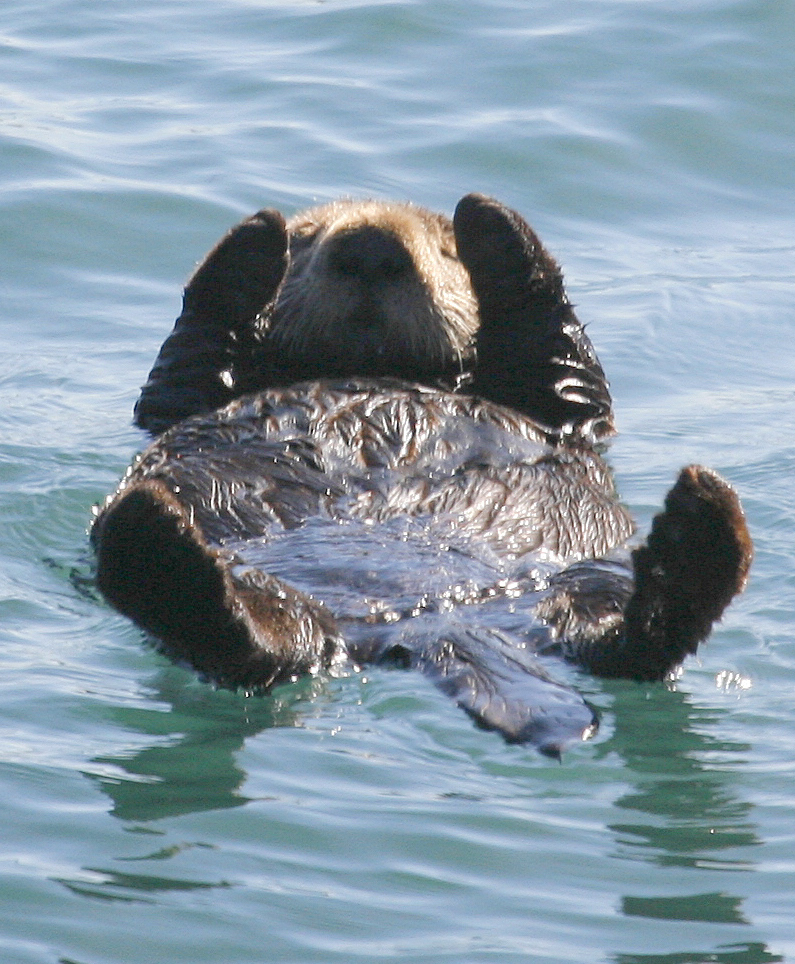
| Relaxing Sea Otter |
| Cute Baby Sea Lion |
As Liz jetted off around the corner of the bay we caught a close up glimpse of the many Sea Lions which have taken up residence on the bay. In fact, sea lions are one of our ocean's most dynamic predators and most intelligent too - they spend most of their day on constant look out for predators like the Great White Shark. Although even if they do end up on the wrong side of the shark they do stand a fairly good chance as an adult male can weigh as much as 60 stone! As well as being on the look out, they do also spend most of the day sunbathing in the heat of the midday sun, particularly this time of the year when the males aren't competing for females. Even when they are competing, an over aggressive male sea lion can easily put the female off.
Big Blue Live airs TONIGHT 7pm BBC1
Labels:
#BigBlueLive,
bay,
blue,
california,
live,
marine,
monterey,
sea
The Secret Lives of Hedgehogs
Hedgehogs live a surprising life in the US. Because of this craze in the US, with keeping Hedgehogs as pets, there is such a thing as the Hedgehog Olympic Games (it is true, I promise!!) featuring some pretty crazy events like sprints and hurdles in Illinois in the US. You'll be pleased to hear however it's not happening now as many organisations got involved and rightly deemed it unfair on the hedgehogs!!
Thursday, 27 August 2015
#BigBlueLive

| The ADORABLE Sea Otter |
And of course Big Blue UK has been airing all week showcasing the incredible wildlife Britain has to offer, from killer whales to dolphins and puffins - although somewhat a little worrying how close whales are to our shores!
I think now, it's safe to say Monterey Bay has been added to my bucket list of places to go!
Big Blue Live airs from California 8pm tonight BBC1
Tuesday, 25 August 2015
Puffins!
Since we went up to Northumberland this year, Puffins are my new favorite bird! We actually went on a boat trip to The Farne Islands and saw seals and puffins around the island, the highlight of my year!! :) In fact, during the height of the breeding season, there's around 37,000 breeding pairs of puffins and around 7,000 seals!
Unfortunately, as we went slightly after the breeding season, we really only saw puffins on the water but it was a sight I wouldn't have missed for ANYTHING! :) It was just so incredible to see the puffins scampering away from the boat with beak-fulls of sandeel!
It really doesn't surprise me that when they do breed however, their presence draws tourists from all over the UK to witness these amazing sights.
The Farne Islands are home to just one of the three species of Puffins, the Atlantic Puffin. Much to many people's surprise, the male puffin builds the nest, partly to demonstrate partly strength and fidelity to nearby birds. In actual fact, the puffins put an incredible amount of work into building their nest, even lining it with grass, feathers and leaves to make it that one bit warmer!
![]() |
| My best close-up of the puffin! |
It really doesn't surprise me that when they do breed however, their presence draws tourists from all over the UK to witness these amazing sights.
![]() |
| Sunbathing seal! |
![]() |
| Seals! |
Once the nest is built, their breeding season can begin. Unlike many other species they form long term relationships (scientists call these pair bonds) so over the years they can continue breeding together. Once the eggs have hatched and their chicks (called pufflings) emerge they rear their pufflings until they're strong enough to leave with their parents under the cover of darkness where they continue to grow and develop at sea, far from the coastline. However they may be back to their breeding spot soon as puffins have been recorded by scientists to breed as early as 3!
Where else can you see them then? Well as they spend most of the breeding season at very specific locations you need to pick and choose, although you'd stand a good chance of seeing them in Iceland as its home to around 10 million Atlantic Puffins with some specific colonies of them being well over a million.
![]() |
| My absolute favourite picture from the trip! |
They're actually incredibly skilled when it comes to feeding, you may have seen the classic shot of a puffin with its beak stuffed full of fish- sometimes well over a dozen. They can feed on all kinds of fish, from Sandeel and herring to capelin. As well as fish, they also feast on zooplankton. They actually have an amazing hinging mechanism in their beak which allows them to crosswire the fish so take longer foraging trips so they can come back to their pufflings with more energy and their young can thrive too.
Above all else I'd definitely recommend a visit to The Farne Islands, it's one of England's hidden gems!
The Leafy Sea Dragon | #WeirdestAnimals
The Sea Dragon, hidden in the depths of the ocean and one of the most camouflaged species on the planet - not many people have actually seen this sea dragon. Living in the waters off the coast of the East and South Australia they're often recognized by their reddish color and their long and thin snouts. Surprisingly, their snout actually helps propel them through the water, tumbling like seaweed drifting through the oceans. Like sea horses, it's actually the males which are responsible for childbearing, instead of a pouch they have a patch on the underside of their tail where females deposit their bright pink eggs. They then release the miniature sea dragons after about 5 weeks.
Unfortunately, they're actually endangered as divers often take them as pets, so much so the Australian government actually put complete protection on them in the early 1990s - but it might not be too late.
Monday, 24 August 2015
Future Gadgets
Over the next few weeks, I'll be posting a series of posts based on the revolutionary gadgets which might be an every day sight for us in a few years time, check back here to keep up to date, or follow me on twitter @Sci_Sparks or search the hashtag #FutureGadgets so you don't miss anything.
Labels:
#FutureGadgets,
future,
gadgets,
revolutionary,
science,
technology
Subscribe to:
Posts (Atom)